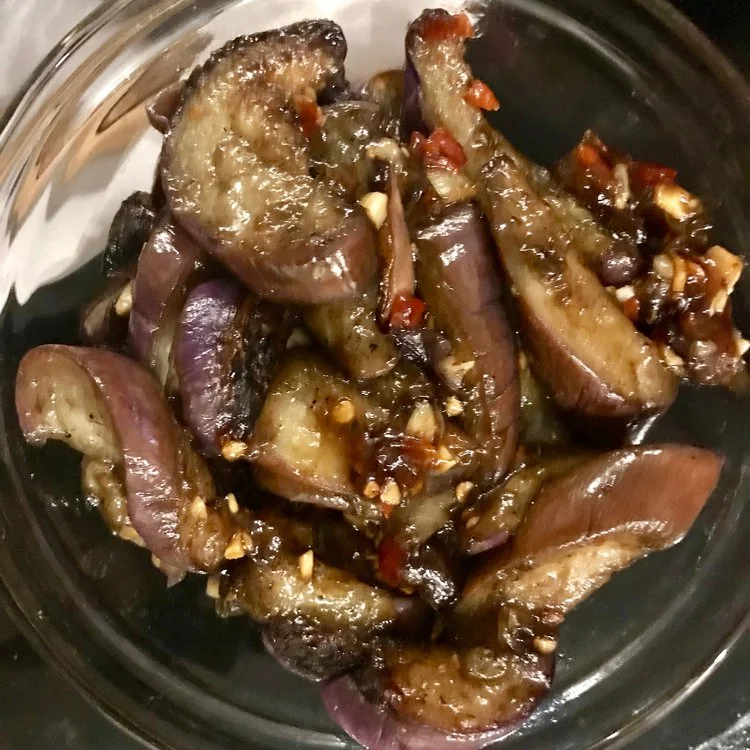
The Eggplant Enigma: Unlocking Flawless Chinese Eggplant with Garlic Sauce
Chinese eggplant is a culinary delight, celebrated for its tender texture and ability to soak up rich flavors. However, many home cooks approach it with trepidation. The common complaints are well-founded: a bitter aftertaste, an unpleasantly mushy consistency, or, worst of all, a greasy, heavy dish that leaves you feeling more disappointed than satisfied. If you've ever wrestled with these issues, you're not alone. The journey to perfectly cooked Chinese eggplant can feel like navigating a minefield.
The good news? Achieving a Master Chinese Eggplant: Crispy, Smoky, & Saucy with Less Oil, or a wonderfully tender, flavorful steamed version, is far more accessible than you might think. The secret lies not in complex techniques, but in understanding the eggplant's unique properties and employing a few simple, yet crucial, preparatory steps. Our goal today is to demystify this beautiful vegetable, helping you prevent bitterness and greasiness easily, and instead, create an utterly delicious Chinese eggplant with garlic sauce that will become a staple in your kitchen.
The Secret Weapon: Pre-Cooking Preparation for Perfection
The most critical step in preventing both bitterness and excessive oil absorption in Chinese eggplant happens *before* it even touches the heat. Eggplant, by nature, is a highly porous vegetable, almost like a sponge. This characteristic allows it to soak up delicious sauces, but also oil – often too much – leading to a greasy final product. Furthermore, some eggplants, especially older ones, can contain higher levels of solanine, which contributes to a bitter taste. Proper preparation tackles both these issues head-on.
Method 1: The Salting & Draining Technique
This method, often shared among seasoned cooks, is highly effective:
- Slice the Eggplant: Cut your Chinese eggplant into your desired shapes – whether it's rounds, planks, or diagonal pieces. Uniformity is key for even cooking.
- Spread and Salt: Lay the sliced eggplant pieces on a clean kitchen towel or paper towels. Sprinkle Kosher salt generously over both surfaces. The salt will begin to draw out moisture from the eggplant.
- Rest and Release: Allow the salted eggplant to rest for at least 15-20 minutes. You'll notice beads of moisture forming on the surface – this is precisely what we want!
- Rinse and Dry Thoroughly: Rinse the eggplant vigorously under cold running water to remove all traces of salt. This step is crucial; otherwise, your dish will be overly salty. Pat each piece thoroughly dry with fresh towels. Moisture is the enemy of crispiness and can cause oil to splatter, so ensure they are bone dry.
Method 2: The Saltwater Soak
I personally lean towards this method as it offers an additional benefit:
- Submerge in Saltwater: Place your cut eggplant pieces into a large bowl. Add enough water to completely cover them, then stir in about 1/4 teaspoon of salt.
- Keep Submerged: Place a plate or a pot lid directly on top of the eggplant to ensure all pieces remain submerged under the water.
- Soak and Preserve: Let the eggplant soak for 15-20 minutes. Not only does this method help draw out bitterness and prepare the eggplant for less oil absorption, but it also remarkably preserves the eggplant's beautiful white flesh, preventing it from oxidizing and turning brown.
- Drain and Dry: Drain the eggplant thoroughly and, again, pat each piece completely dry with paper towels. This step cannot be stressed enough for optimal results.
The Golden Finish: Cornstarch Coating
Once your eggplant is perfectly dry from either of the above methods, there's one more transformative step: a light dusting of cornstarch. Sprinkle cornstarch over the dried eggplant pieces and toss by hand until each piece is evenly coated with a thin, almost imperceptible layer. This cornstarch coating acts as a protective barrier. It helps create that coveted crispy, slightly charred exterior when pan-fried, and more importantly, further prevents the eggplant from soaking up excess oil, ensuring your chinese eggplant with garlic sauce remains light and satisfying rather than greasy.
Crafting the Irresistible Garlic Sauce: Flavor Without the Fuss
A perfectly cooked eggplant needs an equally perfect sauce to truly shine. Fortunately, the classic chinese eggplant with garlic sauce is incredibly easy to assemble, requiring just a few staple pantry ingredients. This savory, aromatic sauce brings the dish to life, balancing the eggplant's subtle sweetness and tender texture.
Essential Garlic Sauce Ingredients:
- Garlic: This is, of course, the star! Don't be shy with the garlic; 6-8 cloves, finely minced, provide the pungent depth characteristic of this dish.
- Light Soy Sauce: Forms the salty, umami base of the sauce. Use a good quality light soy sauce for the best flavor.
- Dark Soy Sauce: While not strictly for saltiness, dark soy sauce is crucial for imparting that beautiful, deep reddish-brown color to your dish. It also adds a subtle hint of caramel and a richer, more complex flavor profile than light soy sauce alone.
- Sugar: A touch of sugar is essential for balance. It rounds out the sharp saltiness of the soy sauces, creating a harmonious and well-rounded flavor that prevents the sauce from being one-note.
- Cornstarch: A small amount of cornstarch is whisked into the sauce mixture before cooking. It acts as a thickening agent, giving the sauce a glossy, luxurious texture that clings beautifully to the eggplant, rather than being watery.
- Optional Aromatics/Heat: For an extra layer of flavor and a kick, consider adding a pinch of freshly minced ginger or finely chopped red chilies (adjust to your spice preference). If you're not a fan of heat, a finely chopped red bell pepper can add color and a mild sweetness. A dash of rice vinegar can also brighten the sauce, and a drizzle of sesame oil at the very end adds a wonderful nutty aroma.
Simply whisk these ingredients together in a small bowl, and your flavorful foundation for the chinese eggplant with garlic sauce is ready. It's truly that simple to create a sauce that elevates the entire dish.
Cooking Methods: Crispy & Smoky or Soft & Juicy?
With your eggplant prepped and your sauce mixed, it's time to cook. The beauty of Chinese eggplant is its versatility, allowing for different textures based on your preferred cooking method. Both offer unique benefits and are delicious when paired with garlic sauce.
Method 1: Crispy, Smoky Stovetop Perfection (Minimal Oil)
This method, facilitated by our thorough pre-cooking preparation and cornstarch coating, yields a wonderfully crispy and slightly charred eggplant without drenching it in oil. It's surprisingly quick, taking around 10 minutes on the stovetop.
- Heat the Pan: Heat a wok or large skillet over medium-high heat. Add just a minimal amount of oil – enough to lightly coat the bottom. Remember, the cornstarch helps prevent absorption, so less is more.
- Sear the Eggplant: Add the cornstarch-coated eggplant in a single layer, ensuring not to overcrowd the pan. Work in batches if necessary.
- Cook to Perfection: Cook for 3-5 minutes per side, or until the eggplant is beautifully golden-brown, crispy, and has developed those alluring charred edges. The high heat creates a smoky flavor reminiscent of oven-roasted eggplant, but in a fraction of the time and effort.
- Combine with Sauce: Once all eggplant is cooked, add it back to the pan (if cooked in batches) and pour in your prepared garlic sauce. Stir quickly to coat the eggplant evenly as the sauce thickens. Serve immediately.
This technique delivers an impressive flavor and texture profile, proving that you don't need an oven to achieve smoky, crispy results.
Method 2: Tender, Juicy Steamed Eggplant (20-Minute Wonder)
For those seeking a healthier, lighter option, or if you simply prefer a melt-in-your-mouth texture, steaming is an excellent choice. This method is incredibly quick, often done in under 20 minutes, and results in a wonderfully soft and juicy eggplant infused with flavor. It's a fantastic option for a Quick Vegan Chinese Eggplant: Crispy Stovetop or 20-Min Steamed meal.
- Prepare for Steaming: After prepping your eggplant (the saltwater soak method is particularly good here for color retention), arrange the pieces in a single layer on a heatproof plate that fits into your steamer.
- Steam: Bring water to a boil in your steamer pot. Place the plate with eggplant into the steamer, cover, and steam for 10-15 minutes, or until the eggplant is fork-tender.
- Finish with Sauce: While the eggplant steams, you can gently heat your garlic sauce ingredients (and any fresh aromatics like minced garlic, chili, or ginger) in a separate pan until fragrant and slightly thickened. Once the eggplant is steamed, transfer it to a serving dish and pour the warm, flavorful garlic sauce over it.
This steamed version is remarkably flavorful, especially when served hot over a bed of rice, making for a satisfying vegan side or quick main dish.
Conclusion: Master Your Chinese Eggplant Journey
Gone are the days of bitter, greasy, or bland eggplant dishes. By understanding the simple science behind this often-misunderstood vegetable, and by employing the straightforward techniques outlined above – proper pre-cooking preparation, a strategic cornstarch coating, and a balanced, flavorful garlic sauce – you can consistently achieve flawless results. Whether you crave the crispy, smoky perfection of a stovetop stir-fry or the tender, juicy comfort of a steamed dish, these methods empower you to create a truly delicious chinese eggplant with garlic sauce every time. Embrace these tips, experiment with flavors, and discover the true potential of Chinese eggplant in your home kitchen.
