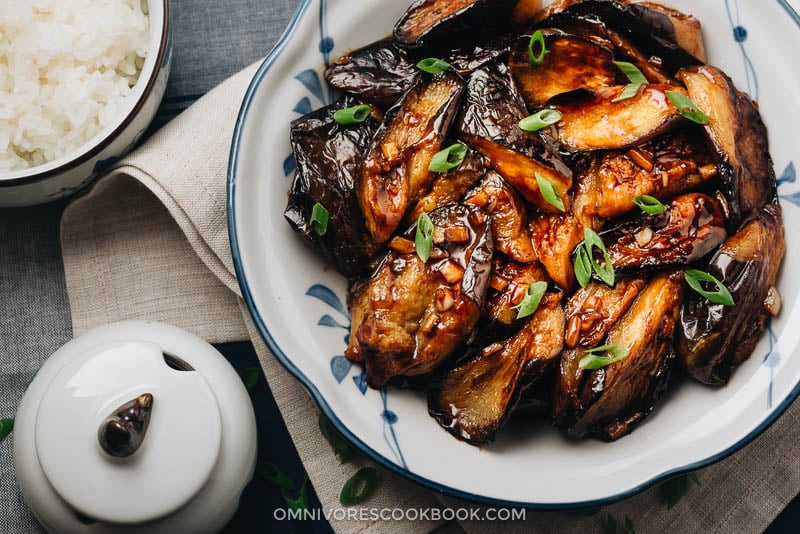
Mastering Chinese Eggplant: Crispy, Smoky, & Saucy with Less Oil
For many, the mere mention of cooking eggplant at home conjures images of a culinary challenge: bitter bites, mushy textures, or plates swimming in excessive oil. But what if we told you that achieving restaurant-quality Chinese eggplant – perfectly crispy, imbued with a subtle smokiness, and drenched in a rich, savory sauce – is not only possible but surprisingly easy, and with significantly less oil than you might imagine? This guide will unlock the secrets to preparing exquisite
Flawless Chinese Eggplant: Prevent Bitterness & Greasiness Easily, specifically focusing on the beloved Chinese eggplant with garlic sauce. Prepare to transform this often-misunderstood vegetable into a dish that's incredibly satisfying, whether as a vibrant side or a hearty main served over steaming rice or noodles.
The common pitfalls of home-cooked eggplant—becoming a greasy sponge, a bland mush, or an unexpected bitter note—often deter even enthusiastic home cooks. The good news is, these frustrations stem not from the eggplant itself, but from a lack of proper technique. Our approach sidesteps these issues, delivering an impressive flavor profile and delightful texture without the guilt of excess calories or the hassle of lengthy preparation. We'll show you how to create a wonderful eggplant dish almost effortlessly, ensuring you get crispy, flavorful results with minimal cooking time and the perfect balance of savory goodness.
Unlocking the Secrets to Perfect Chinese Eggplant Texture
The journey to perfect Chinese eggplant begins long before it hits the wok. Eggplant, particularly the slender Chinese variety, is notorious for its sponge-like flesh, which can absorb oil like a thirsty camel if not treated correctly. This leads to heavy, greasy dishes that are far from the light, flavorful experience you desire. The secret to achieving that ideal tender-crisp texture, without the unwanted oiliness, lies in proper pre-treatment.
There are two highly effective methods for preparing your eggplant, each designed to draw out excess moisture and prepare the vegetable for optimal cooking:
- The Salt & Drain Method: This classic technique is revered for its ability to prevent oil absorption.
- Begin by slicing your Chinese eggplant into your desired shapes – whether rounds, half-moons, or batons.
- Spread the sliced eggplant evenly on a clean towel or paper towels.
- Generously sprinkle Kosher salt over both surfaces of the eggplant pieces. The coarser granules of Kosher salt work best for this.
- Allow the eggplant to rest for approximately 15 minutes. During this time, the salt will work its magic, drawing out moisture through osmosis. You'll notice droplets of water appearing on the surface.
- After 15 minutes, thoroughly rinse the salt off the eggplant. This step is crucial to prevent your dish from becoming overly salty.
- Finally, pat each surface of the eggplant completely dry using clean towels. This step is paramount for achieving crispiness later. Any lingering moisture will steam the eggplant instead of allowing it to crisp.
- The Salt Water Soak Method: This method offers the added benefit of preserving the eggplant's vibrant white flesh, preventing oxidation and browning.
- Place your sliced eggplant in a large bowl.
- Add enough water to fully cover the eggplant.
- Stir in about 1/4 teaspoon of salt. The salt in the water also helps to draw out moisture.
- Place a plate or pot lid directly on top of the eggplant to keep it submerged under the water for 15 minutes.
- After soaking, drain the eggplant thoroughly.
- Just as with the first method, pat the eggplant completely dry. This step cannot be stressed enough – dryness is key to a crispy outcome.
While both methods are effective, many home cooks, including myself, lean towards the salt water soak for its dual benefit of reducing oil absorption and maintaining the eggplant's fresh color. Once your eggplant is impeccably dry, there's one more transformative step: a light coating of cornstarch. Sprinkle cornstarch over the dried eggplant and mix by hand until each piece is evenly coated with a thin, almost imperceptible layer. This cornstarch creates a delicate barrier, ensuring a beautifully crispy exterior and promoting that coveted charred, smoky flavor on the stovetop in a fraction of the time, often within 10 minutes, without the need for an oven or deep fryer. This crucial coating is your secret weapon for a truly delectable
Quick Vegan Chinese Eggplant: Crispy Stovetop or 20-Min Steamed.
Achieving Crispy, Smoky Perfection on the Stovetop (with Less Oil)
With your eggplant perfectly prepped and lightly dusted with cornstarch, you're ready to transform it into a crispy, smoky delight. Forget the common misconception that crispy eggplant requires copious amounts of oil or a deep fryer. Our stovetop method yields exceptional results with minimal oil, focusing on high heat and strategic cooking.
To achieve this, use a well-seasoned wok or a large non-stick pan. Heat it over medium-high to high heat. Add just enough oil to lightly coat the bottom of the pan – we're talking a tablespoon or two, not a cup. Once the oil is shimmering, carefully add the prepped eggplant in batches. Overcrowding the pan will lower the temperature and lead to steaming rather than crisping, so allow ample space for each piece to cook.
Stir-fry the eggplant, allowing it to char and develop a beautiful golden-brown crust. The cornstarch coating will facilitate this, creating a delightful exterior while the interior becomes tender. This process typically takes about 5-7 minutes per batch. You’ll observe the eggplant developing a slightly smoky aroma as the sugars caramelize and the Maillard reaction takes place, enhancing its flavor profile significantly. Once cooked, remove the crispy eggplant from the pan and set it aside while you prepare the garlic sauce.
Crafting the Irresistible Chinese Garlic Sauce
A truly outstanding Chinese eggplant dish isn't complete without a perfectly balanced, aromatic sauce. This is where the "garlic sauce" in our "Chinese eggplant with garlic sauce" truly shines, elevating the crispy eggplant to an unforgettable experience. The beauty of this sauce lies in its simplicity and the synergy of its core ingredients, creating a rich, umami-packed flavor that coats every piece of eggplant beautifully.
Here are the essential ingredients for your Chinese garlic sauce, along with insights into their role:
- Light Soy Sauce: This forms the savory backbone of your sauce, providing essential saltiness and umami depth.
- Dark Soy Sauce: More than just a color enhancer, dark soy sauce lends a beautiful, deep reddish-brown hue to the dish and introduces a subtle hint of caramel sweetness. It's less salty than light soy sauce and adds a different layer of complexity.
- Sugar: Crucial for balancing the savory and salty elements. A touch of granulated or brown sugar rounds out the flavor profile, preventing the sauce from tasting flat or overly aggressive.
- Cornstarch: The secret to that glossy, luscious, restaurant-quality thickness. When mixed into a slurry with a little water (or the other sauce ingredients), cornstarch thickens the sauce to coat the eggplant perfectly, preventing it from being watery.
- Fresh Garlic: The star of the show! For a truly pungent and flavorful Chinese eggplant with garlic sauce, don't skimp. Aim for 6-8 cloves, finely minced. The intensity of fresh garlic is irreplaceable.
Optional Enhancements for Deeper Flavor:
- Chili: For those who love a kick, add finely chopped fresh red chilis (deseeded for less heat) or a pinch of dried chili flakes.
- Ginger: A small amount of freshly grated or minced ginger adds a warm, aromatic note that complements the garlic beautifully.
- Rice Vinegar: A splash of rice vinegar can introduce a subtle tang, brightening the overall flavor of the sauce.
- Sesame Oil: Drizzle a teaspoon of toasted sesame oil right before serving for a nutty, aromatic finish.
- White Pepper: A dash of white pepper offers a subtle, classic Chinese warmth.
To assemble the sauce, simply whisk together the light soy sauce, dark soy sauce, sugar, cornstarch, and a couple of tablespoons of water (if making a slurry separately) in a small bowl until completely smooth and lump-free. Once your crispy eggplant is cooked and set aside, you'll briefly sauté the minced garlic (and optional chili/ginger) in the same wok until fragrant. Then, pour in your whisked sauce mixture, stirring constantly as it comes to a gentle simmer. It will thicken rapidly into a beautiful, glossy consistency.
Bringing It All Together: The Final Stir-Fry
The moment your sauce is perfectly thickened, return the crispy eggplant to the wok. Toss gently but quickly to ensure every piece is thoroughly coated in the rich garlic sauce. Serve immediately over steamed jasmine rice or noodles to soak up all the incredible flavors. This dish truly is a testament to how simple techniques can yield extraordinary results.
Beyond Crispy: Exploring Steamed Chinese Eggplant with Garlic (A Healthier Twist)
While the crispy and smoky method is undoubtedly delicious, there's another equally delightful and incredibly healthy way to enjoy Chinese eggplant, particularly if you're seeking an even lighter, softer texture: steamed Chinese eggplant with garlic. This version, often made with minimal oil, is perfect for garlic enthusiasts and those looking for a quick, wholesome meal.
The steamed method transforms the eggplant into a wonderfully soft, juicy consistency, infused with the fresh, pungent flavors of garlic and often a hint of chili. This makes it an ideal side dish or a light main that pairs wonderfully with hot rice. The preparation is straightforward:
- Prepare the Eggplant: Peel the eggplant skin in alternating stripes for visual appeal and easier eating. Then, cut the eggplant into manageable 4-inch long pieces or thick slices. A simple seasoning of salt and sugar can be added before steaming.
- The Steaming Process: Place the prepared eggplant in a steamer basket over simmering water. Steam until the eggplant is tender and translucent, typically about 10-15 minutes, depending on thickness.
- The Garlic Infusion: This is where the magic happens. While the eggplant steams, prepare a vibrant topping. Mince a generous amount of fresh garlic (again, 6-8 cloves is ideal) and finely chop fresh red chilis (or bell pepper for a milder version). Once the eggplant is steamed, arrange it on a serving plate. Spoon the minced garlic and chili mixture directly over the hot eggplant. The residual heat will gently warm the garlic, releasing its potent aroma and flavor, which will seep into the soft eggplant. A drizzle of hot oil can be added at this stage to "cook" the raw garlic and chili for a more intense burst of flavor.
- Sauce/Dressing: A light dressing of soy sauce, a touch of vinegar, and perhaps some sesame oil can be poured over the top, creating a fresh, aromatic, and incredibly flavorful dish that is naturally vegan and ready in about 20 minutes.
This steamed approach offers a refreshing contrast to the crispy version, highlighting the natural sweetness and tender texture of the eggplant while still delivering a powerful garlic punch. It's an excellent option for a light, healthy, and incredibly flavorful meal.
Conclusion
From a tricky, oil-absorbing vegetable to a star dish, mastering Chinese eggplant is an incredibly rewarding culinary journey. Whether you opt for the crispy, smoky, and saucy "Chinese eggplant with garlic sauce" or the lighter, tender steamed version, the techniques outlined above ensure a delicious, satisfying, and healthier outcome. By understanding how to properly prepare the eggplant, utilize strategic cooking methods with less oil, and craft a perfectly balanced sauce, you can consistently achieve restaurant-quality results in your own kitchen. So, shed those past eggplant frustrations and embrace these methods to create a dish that's bursting with flavor and delightful textures. Your taste buds, and perhaps your waistline, will thank you!