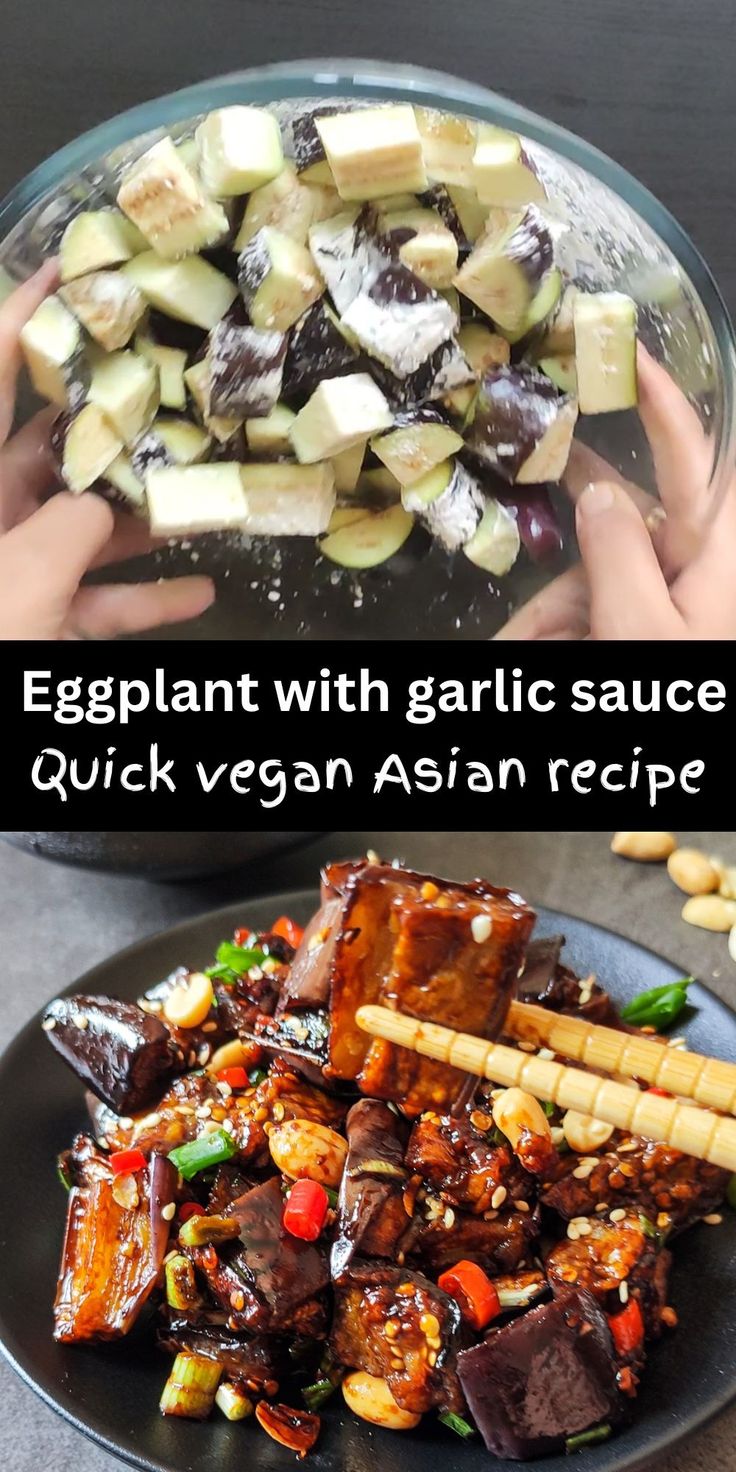
Quick Vegan Chinese Eggplant: Crispy Stovetop or 20-Min Steamed
The allure of a perfectly cooked Chinese eggplant dish is undeniable. That unique, melt-in-your-mouth texture, infused with savory, aromatic flavors, often feels like a restaurant-only delicacy. Many home cooks shy away from preparing eggplant, grappling with common frustrations like bitterness, a mushy texture, or dishes that end up either bland or excessively oily. But what if we told you that mastering delicious, vegan **chinese eggplant with garlic sauce** at home is not only achievable but also surprisingly quick? This comprehensive guide will demystify the art of cooking Chinese eggplant, offering two distinct, foolproof methods: a crispy, smoky stovetop rendition and a tender, juicy steamed version, both ready in under 20 minutes and bursting with flavor. Forget the days of greasy, disappointing eggplant; prepare to create a satisfying, healthy, and incredibly flavorful dish that will become a staple in your kitchen, whether served as a robust main over rice or noodles, or as an exquisite side.The Eggplant Enigma: Overcoming Common Cooking Challenges
Eggplant, with its unique spongy texture, can indeed be a tricky vegetable to tame. Its porous flesh readily absorbs oil, leading to a greasy result, or, if cooked improperly, can turn unpleasantly mushy. Bitterness can also be an issue if not prepared correctly, and many assume that a truly flavorful eggplant dish requires extensive cooking time or deep-frying. These concerns often lead people to believe that:- Eggplant preparation is time-consuming compared to other vegetables.
- Achieving impressive flavor means sacrificing health by using too much oil and adding excess calories.
For more detailed strategies on preventing common eggplant pitfalls, be sure to check out our article on Flawless Chinese Eggplant: Prevent Bitterness & Greasiness Easily.
The Secret to Perfect Chinese Eggplant Texture: Pre-Preparation is Key
Regardless of whether you choose to steam or pan-fry, the foundation of a great Chinese eggplant dish lies in its pre-preparation. This crucial step prevents the eggplant from becoming a soggy, oil-laden sponge or losing its vibrant color. The goal is to condition the eggplant to cook beautifully, achieving that desired tender-crisp or juicy-soft texture. There are two highly effective methods for preparing your eggplant before cooking:Method 1: The Salt-and-Towel Technique
This method, often favored for drawing out excess moisture, helps prevent oil absorption and concentrate flavor.
- Begin by slicing your Chinese eggplant into your desired shapes – typically 2-3 inch long pieces, or even lengthwise strips.
- Spread the sliced eggplant pieces evenly across clean kitchen towels.
- Generously sprinkle Kosher salt over both surfaces of the eggplant.
- Allow the eggplant to rest for approximately 15-20 minutes. You'll notice beads of moisture forming on the surface.
- Rinse the salt thoroughly off the eggplant under cold running water. This is vital to prevent an overly salty dish.
- Pat each surface of the eggplant completely dry with fresh towels. Moisture is the enemy of crispiness!
Method 2: The Salted Water Soak
Many chefs prefer this method for its dual benefits: preventing oil absorption *and* maintaining the eggplant's beautiful white interior by preventing oxidation.
- Place your cut eggplant pieces into a large bowl.
- Add enough water to fully submerge the eggplant, then stir in about 1/4 teaspoon of salt.
- Place a pot lid or a smaller plate directly on top of the eggplant to keep it submerged under the water.
- Let it soak for 15-20 minutes.
- Drain the eggplant thoroughly and pat each piece completely dry with paper towels or a clean kitchen towel. This step is crucial for achieving the right texture, especially for the stovetop method.
Once the eggplant is completely dry, sprinkle a light, even layer of cornstarch over the pieces. Toss by hand until each piece is thinly coated. This cornstarch coating is the secret weapon for creating that desired crispy exterior and slight char without excessive oil, locking in moisture and preventing sogginess.
Method 1: Quick Crispy & Smoky Stovetop Chinese Eggplant
This technique allows you to achieve restaurant-quality crispy and smoky eggplant right on your stovetop, often in under 10 minutes of active cooking, no oven required! The cornstarch coating, combined with a minimal amount of oil, is key here.Cooking Steps:
- Heat the Pan: Add 1-2 tablespoons of high-smoke-point oil (like canola, grapeseed, or avocado oil) to a large non-stick skillet or well-seasoned wok over medium-high heat. Ensure the pan is hot before adding the eggplant.
- Sear the Eggplant: Add the cornstarch-coated eggplant pieces in a single layer, making sure not to overcrowd the pan. Cook in batches if necessary.
- Achieve Crispiness: Cook for 3-5 minutes per side, turning occasionally, until the eggplant is beautifully golden brown, slightly charred, and tender within. The cornstarch will create a delightful crisp crust. This charring imparts that coveted smoky flavor.
- Remove & Reserve: Once cooked, remove the eggplant from the pan and set aside. You can blot any residual oil with a paper towel if desired.
This method makes for an incredible base for your **chinese eggplant with garlic sauce**. For more detailed tips on achieving that perfect crispy and smoky texture with less oil, delve into our guide: Master Chinese Eggplant: Crispy, Smoky, & Saucy with Less Oil.
Method 2: Tender 20-Minute Steamed Chinese Eggplant with Garlic
Preparation for Steaming:
For the steamed version, the pre-treatment methods (salting or soaking) are still beneficial, though you can skip the cornstarch coating if you desire a truly soft texture.
- Prepare the Eggplant: After pre-treatment and drying, you can peel the eggplant skin in stripes (this often makes it more tender) or leave it on. Cut the eggplant into uniform pieces, such as 4-inch long sticks or wedges.
- Garlic & Chili Infusion: Generously mince 6-8 cloves of garlic. Finely chop 1-2 red chilies for a kick, or use a bell pepper for mild sweetness.
- Season Lightly: Toss the eggplant pieces with a pinch of salt and a touch of sugar. This initial seasoning helps draw out moisture and enhances flavor during steaming. Distribute half of the minced garlic and chopped chilies among the eggplant.
Steaming Steps:
- Set up Steamer: Place the seasoned eggplant in a heatproof dish that fits inside your steamer basket.
- Steam: Bring water to a boil in your steamer pot. Once boiling, place the dish with the eggplant into the steamer. Cover and steam for 10-15 minutes, or until the eggplant is fork-tender and translucent.
- Finish with Sauce: While the eggplant is steaming, prepare your garlic sauce. Once the eggplant is cooked, pour the prepared **chinese eggplant with garlic sauce** over the hot steamed eggplant, garnishing with the remaining fresh garlic and chilies. The heat of the eggplant will gently cook the fresh garlic, releasing its potent aroma.
Crafting the Perfect Vegan Garlic Sauce
The sauce is where the magic happens, transforming simple eggplant into an irresistible dish. This versatile vegan garlic sauce recipe can be adapted for both the crispy stovetop and tender steamed methods. It balances savory, sweet, and umami notes, with optional hints of spice and tang.Essential Garlic Sauce Ingredients:
- Light Soy Sauce: Provides the fundamental salty, umami base.
- Dark Soy Sauce: Not just for color! It adds a beautiful deep, rich hue to the dish and a subtle caramel-like sweetness, enhancing the visual appeal and depth of flavor.
- Sugar: Balances the saltiness of the soy sauces, rounding out the flavor profile and adding a touch of sweetness that is characteristic of many Chinese dishes.
- Cornstarch: Acts as a thickening agent, giving the sauce that glossy, clingy consistency that perfectly coats the eggplant.
- Fresh Garlic: (Mince 6-8 cloves, or more if you're a true garlic enthusiast!) This is the star. Its pungent aroma and flavor are central to this dish.
- Red Chilis (Optional): Freshly chopped red chilies (like bird's eye chilies or serranos) add a vibrant kick. Adjust to your spice preference, or substitute with red bell pepper for color without heat.
- Rice Vinegar (Optional): A splash adds a touch of brightness and tang, cutting through the richness.
- Sesame Oil (Optional): A drizzle at the end imparts a wonderful nutty aroma.
- Water or Vegetable Broth: To create the right consistency for your sauce.
Building Your Garlic Sauce (For both methods):
- Combine Liquids: In a small bowl, whisk together light soy sauce, dark soy sauce, sugar, water (or broth), and rice vinegar (if using).
- Thicken with Cornstarch: In a separate tiny bowl, mix 1 teaspoon of cornstarch with 1 tablespoon of cold water to create a slurry. Add this slurry to the sauce mixture and whisk well until smooth.
- Aromatics: For the stovetop version, after you've cooked the eggplant and removed it, add the minced garlic and chopped chilies (if using) to the same pan with a tiny bit of oil. Sauté briefly until fragrant (about 30 seconds), being careful not to burn the garlic.
- Combine & Simmer: Pour the prepared sauce mixture into the pan with the aromatics (or directly over the steamed eggplant). Bring to a gentle simmer, stirring constantly, until the sauce thickens and becomes glossy.
- Add Eggplant: If using the stovetop method, return the cooked eggplant to the pan and gently toss to coat evenly with the hot garlic sauce.
- Finish: Drizzle with a few drops of sesame oil just before serving, if desired.
Serving Suggestions & Final Tips
Your quick vegan **chinese eggplant with garlic sauce** is incredibly versatile and satisfying.- Over Rice: The most classic pairing. The sauce perfectly seeps into fluffy white or brown rice.
- With Noodles: Toss it with your favorite stir-fried or boiled noodles for a complete meal.
- As a Side: A vibrant and flavorful accompaniment to other Chinese-inspired dishes.
- Leftovers: Stores well in an airtight container in the refrigerator for up to 3 days. Reheat gently on the stovetop or in the microwave.
